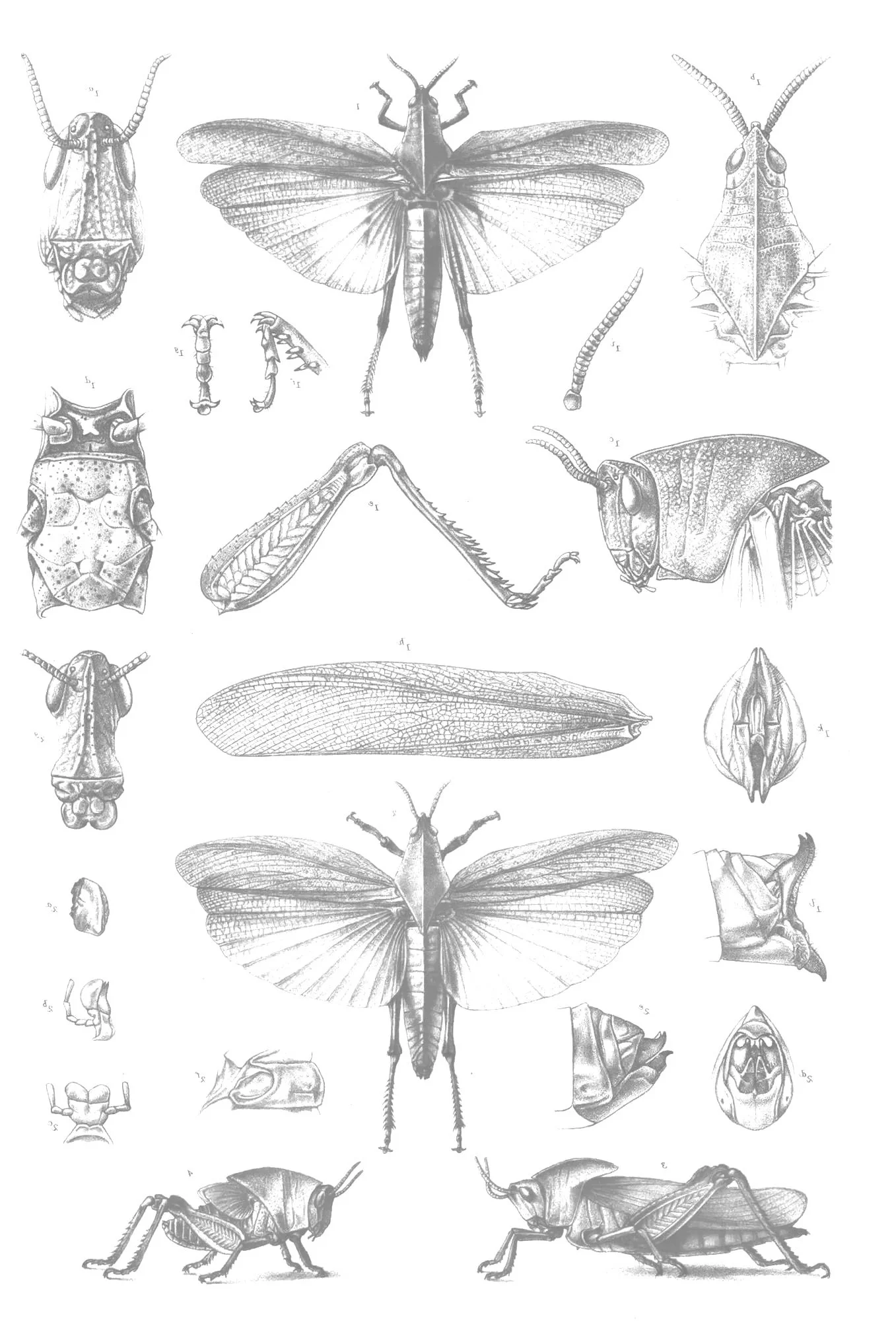
The insect
apocalypse
82%
drop in flying insect biomass
between 1989 and 2016.
(Goulson, 2021; Hallmann et al., 2017)
Good for your wallet
Lower water costs
Native plants are adapted to local rainfall and soil, so they require little to no irrigation once established, reducing the need for sprinklers and excessive watering.
Less maintenance
Native plants generally need less mowing, pruning, and fertilizing. That means more free time and lower spending on lawn care services, equipment, fuel, and labor.
Reduced chemical use
Native species are more resistant to local pests and diseases, reducing the need for chemical treatments (pesticides, insecticides, and fertilizers) and decreasing runoff into rivers and lakes.
No replanting costs
Native plants are perennial (they naturally die in Autumn and return in Spring) or self-seeding and tend to thrive with minimal intervention.
It’s cool to care about biodiversity.
Good for
your health
Fewer pesticides
The use of pesticides and insecticides has increased exponentially since the 1990s. Currently about 900 different active ingredients (chemicals that are toxic to pests) are licensed in the USA and about 500 in Europe. 5.6 billion pounds of pesticides are used worldwide annually (1 billion pounds in the USA alone), which seep into our soil, waterways, and the food we consume.
Reducing pests
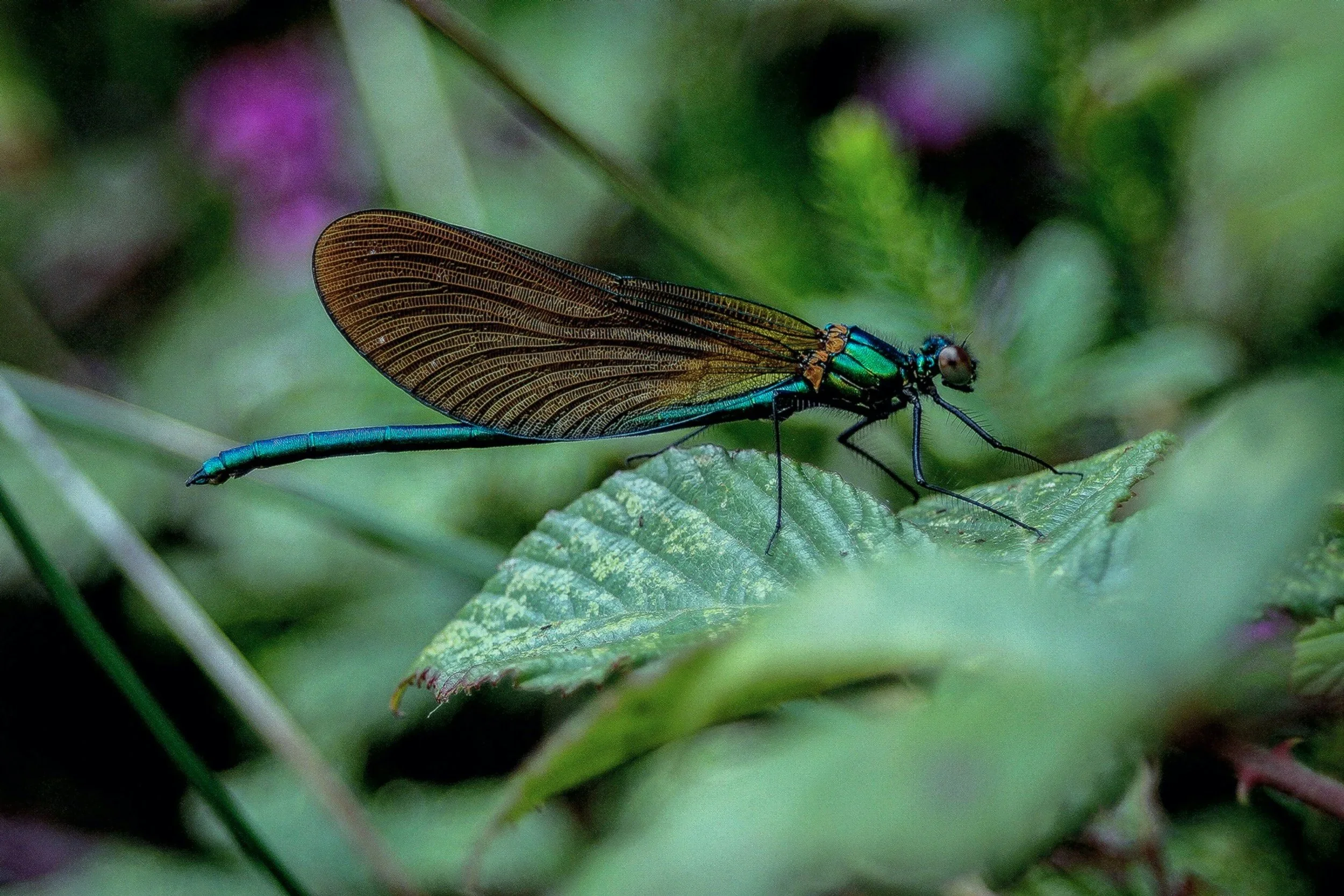
Have you noticed the tick population is increasing? What about mosquitos? It’s not your imagination. Human activity has significantly diminished the natural habitats of the predators of these pests. Without predators like dragonflies, pest species have increased in number and can make you, your family, and your pets very sick.
Good for
the planet
Collapse of food webs
Insects are a foundational food source for birds, amphibians, fish, bats, and mammals. Their disappearance ripples through ecosystems, causing population declines or extinctions of species that rely on them.
Ecosystem imbalance
Insects help regulate populations of other organisms and maintain biodiversity. Losing them destabilizes ecosystems, making them more vulnerable to invasive species, disease, and climate shocks.